Supply Chain Attacks on Intelligence Tooling: When Your Open Source Dependencies Are the Threat
 T. Holt
Supply Chain Attacks on Intelligence Tooling: When Your Open Source Dependencies Are the Threat
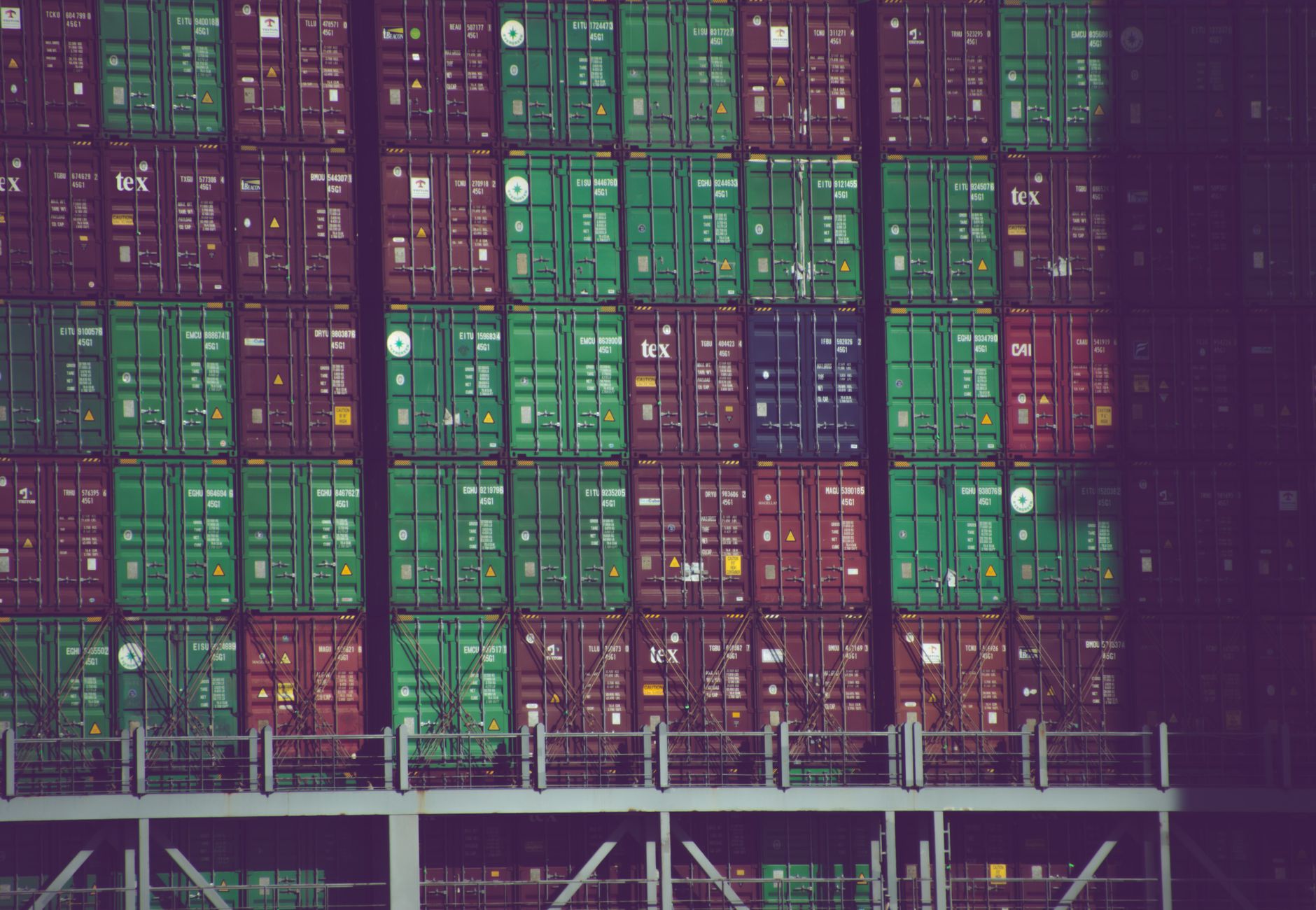 Photo by Sven Wittrock on Pexels.
Most teams building intelligence tooling spend their security budget protecting the output, encrypted comms, hardened endpoints, compartmentalized access. That's reasonable. What they frequently ignore is the input: the open source libraries, Python packages, and third-party modules that build the tools in the first place.
That's exactly where your adversary is looking.
Supply chain attacks against intelligence tooling aren't theoretical anymore. The same techniques used against SolarWinds and the xz backdoor apply with equal, arguably greater, force to organizations running OSINT automation, threat intel pipelines, and signals processing software. If you're pulling from PyPI, npm, or GitHub without verification controls, you're trusting infrastructure your adversary may already own.
Why Intelligence Tooling Is a Specific Target
General software supply chain attacks are opportunistic. Attacks against intelligence tooling are targeted.
Think about what an implanted dependency in a GEOINT processing library actually does for an adversary: it doesn't just exfiltrate credentials, it potentially exfiltrates collection targets, query patterns, and analytical workflows. The tooling itself reveals intent. A compromised dependency in a generic e-commerce app tells you about payment flows. A compromised dependency in an OSINT aggregation tool tells you what the operator is looking for and who they're looking at.
The attack surface includes:
- Python packages for scraping, NLP, and data normalization (requests, beautifulsoup4, spacy, and their transitive dependencies)
- Node packages used in web-based intelligence dashboards
- Docker base images pulled from public registries without digest pinning
- GitHub Actions workflows that execute arbitrary third-party actions at build time
- Pre-trained ML models downloaded during pipeline initialization
That last one deserves its own post. For now, the point stands: the dependency graph for a moderately complex intelligence tool easily runs into the hundreds of packages. You haven't reviewed all of them. Neither has anyone else.
What Compromise Actually Looks Like
It rarely involves rewriting core functionality. Sophisticated supply chain implants are subtle.
graph TD
    A[Legitimate Package v1.2.3] --> B(Malicious Maintainer Takeover)
    B --> C[Implanted v1.2.4 Published]
    C --> D{Automated Dependency Update}
    D --> E[CI/CD Pipeline Pulls Package]
    E --> F[Build Artifacts Compromised]
    F --> G((Deployed to Ops Environment))
A realistic implant might add a few lines that phone home with environment variables, exfiltrate /etc/hosts, or quietly log API keys passed through the affected module. Nothing that breaks functionality. Nothing that triggers obvious test failures. The package works exactly as documented, it just also does something else.
Takeovers of abandoned packages are especially common. A library with 50,000 weekly downloads and no active maintainer is a target. You might be using five of those right now and have no idea.
Concrete Controls That Actually Help
Pin your dependencies with hashes. Not version numbers, hashes. A requirements.txt that specifies requests==2.31.0 will happily pull a re-uploaded malicious package at that version if the registry allows it. pip install --require-hashes forces verification against the exact artifact you vetted.
Run a private mirror or proxy. Nexus, Artifactory, and Sonatype Nexus all support proxying public registries through an internal cache. You pull once, audit once, and block direct internet access to package registries from your build environment. This alone eliminates an entire class of real-time substitution attacks.
Audit your GitHub Actions. Third-party actions execute inside your CI/CD runner with access to your secrets. Pin actions to a specific commit SHA, not a tag. Tags are mutable; commit hashes aren't. uses: actions/checkout@v4 is a trust relationship with whoever controls that tag at any given moment.
Integrate Software Composition Analysis (SCA) into the pipeline. Tools like Grype, Syft, and OWASP Dependency-Check will catch known-vulnerable versions. They won't catch a zero-day implant, but they'll flag the packages most likely to have historical abuse, which is a reasonable starting point.
Treat model weights like code. Pre-trained models downloaded from Hugging Face or S3 during pipeline startup are unsigned blobs of binary data. Verify checksums. Better: vendor them into your artifact store and treat updates as deployments requiring review.
The Operational Reality
None of this is trivial to implement in an active intelligence environment where tools evolve quickly and operators want the latest version of whatever library just added a useful feature. The overhead is real.
But consider the alternative: you've built a sophisticated collection and analysis capability, hardened the perimeter, locked down access, and then you let an adversary implant themselves at build time, before any of those controls apply. Everything downstream is contaminated.
Supply chain hygiene for intelligence tooling isn't a DevOps nicety. It's an operational security requirement that most teams are currently failing to meet. The gap between "we're aware of supply chain risk" and "we have controls that would actually catch an implant" is wide, and it's exactly the kind of gap that gets exploited.
Start with dependency pinning. Build from there.
Get Intel DevOps in your inbox
New posts delivered directly. No spam.
No spam. Unsubscribe anytime.