GitOps for Intelligence: Why Classified Code Deployments Break Everything You Know
 T. Holt
GitOps works beautifully until you try running it on a SCIF network that hasn't touched the internet since 2019. Most DevOps engineers learn this the hard way when they first encounter classified environments.
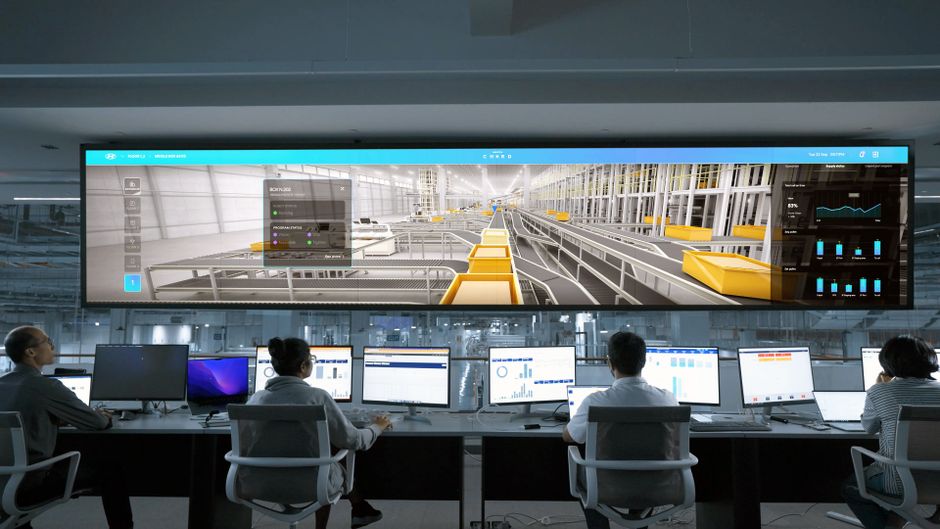
The promise of GitOps, declarative deployments, automated rollbacks, Git as single source of truth, crumbles when your production environment sits behind multiple air gaps and your Git repository exists on an entirely different network classification level.
The Air Gap Problem Nobody Talks About
Traditional GitOps relies on pull-based deployment agents that continuously sync with your Git repository. These agents need network connectivity to your Git server. Simple enough, right?
Not when your production environment runs at Secret//REL and your development happens at Unclassified. The networks literally cannot communicate.
Intelligence organizations end up with a bastardized push model: developers export code to physical media, walk it through security reviews, then manually deploy on the classified side. This defeats every benefit GitOps promised.
Classification Levels Create Workflow Chaos
graph TD
    A[Unclassified Dev] --> B[Security Review]
    B --> C[Physical Media Transfer]
    C --> D[Secret Network]
    D --> E[Manual Deployment]
    E --> F[No Rollback Path]

    G[Traditional GitOps] --> H[Automated Sync]
    H --> I[Declarative State]
    I --> J[Automated Rollback]
Each classification boundary introduces manual handoffs. Your sleek automated pipeline becomes a series of human bottlenecks and sneakernet transfers.
Worse: rollbacks become nearly impossible. When something breaks in production, you can't simply revert to a previous Git commit. That commit exists on a different network entirely.
Practical Workarounds That Actually Work
Smart intelligence shops have developed hybrid approaches that salvage some GitOps benefits:
Network-Isolated Git Servers: Deploy Git infrastructure on each classification level. Mirror repositories through approved transfer methods. This maintains Git history and enables rollbacks within each network boundary.
Staged Declarative Configs: Write Kubernetes manifests and Terraform configs that work across classification levels. Use environment-specific overlays for sensitive configuration data.
Automated Transfer Validation: Build tools that verify code integrity across air gaps. Hash verification, digital signatures, and automated security scanning catch tampering during physical transfers.
One agency I worked with built a "classification-aware" deployment tool. It generates deployment packages that include everything needed for rollback: previous configurations, dependency versions, even database migration reversal scripts.
The Secret Sauce: Immutable Deployment Artifacts
The solution isn't trying to bridge air gaps, it's accepting them and designing around the constraint.
Create immutable deployment artifacts that contain everything needed for both deployment and rollback. Think Docker images, but for entire application stacks including configuration, secrets, and rollback procedures.
These artifacts move through your classification boundaries as single, validated units. Each contains its own rollback capability, eliminating the need for real-time Git connectivity.
Testing Becomes Your Lifeline
When you can't quickly iterate in production, pre-deployment testing becomes existential. Many intelligence operations run shadow environments that mirror production classification levels.
These aren't traditional staging environments, they're classified test networks that let you validate deployments before committing to the manual transfer process.
Automate everything possible in these test environments. Your deployment scripts, rollback procedures, and integration tests need to catch issues before they hit the air gap transfer process.
Making Peace with Imperfect GitOps
GitOps in intelligence operations will never match the seamless automation possible in commercial environments. The security requirements are non-negotiable.
But you can preserve the essential benefits: version control, declarative configuration, and repeatable deployments. The key is designing your workflow around classification boundaries rather than fighting them.
Successful intelligence DevOps teams treat air gaps as design constraints, not obstacles to overcome. They build tooling that works within security requirements while maximizing automation where possible.
Your deployment pipeline might involve physical media transfers and manual security reviews. That doesn't make it broken, it makes it compliant.
Get Intel DevOps in your inbox
New posts delivered directly. No spam.
No spam. Unsubscribe anytime.